.png)
.png)
EDUCATION:
How in the world can you ever hope to succeed in your career without the proper education?
The answer is simple: in today’s world, it is impossible to succeed without a solid education. But at the same time, with the current educational system, even having a PhD does not guarantee you a job or success. And we know this because Eagles Structures went to college, and we found out in our developing phase that many people over-qualify themselves and then struggle or even complain when they can’t find jobs that match their expectations or pay their “paper qualifications.” From what Eagles Structures has seen in the field and through experience working with professionals at different levels, having advanced degrees does not always mean someone is fully prepared for real-world work, practical problem-solving, or even the right knowledge on certain topics.
What do we mean by education? Do you mean training?
Education is the process of learning knowledge, skills, values, and understanding through study, teaching, or experience. It usually happens in schools, colleges, or universities, and it focuses on building a broad foundation of thinking, reasoning, and knowledge for life and career.
Training is the process of learning how to do a specific task or job through practice and instruction. It is more hands-on and practical, focused on developing the skills needed to perform a particular role or use specific tools or systems effectively.
What Eagles Structures means in education, and its first program: Educational Program is both, we provide formal education and trainings to develop your career further aligned with the requirements for the title. After successfully completing the required licensing, degree, or any other necessary qualifications, we provide you with a certificate according to your level of achievement and completion.
We count with a broad wide range of material for all of our careers, like presentations, case studies, PDF writings, quizzes, formal paper exams, counselors, tutors, mentors, videos, even a book and more. Especially a well organized source library with directions and goals to educate our team with the right knowledge of all of the schools, degrees, and certificates in today’s market.
We tell you the many different types of certificates and degrees that you can get in your position, and we help you obtain them, either by teaching you ourselves with our material and professional mentorship, or by directing you to the right school.
Overview
Our Educational Program / Construction School provides 14 different professional career path opportunities focused on both education and hands-on labor experience within the construction industry. This program is designed to develop knowledgeable, skilled, disciplined, and professional individuals capable of performing at a high level in both field and office environments.
The program includes presentations, PDF training materials, written documents, case scenarios, quizzes, exams, field exercises, and practical evaluations in paper real time exams, well protected and making sure of authenticity. All training and educational subjects are formally tested and documented on paper to help ensure validity, accuracy, professionalism, and measurable performance results.
In addition, we offer dozens of craftsmanship skill certifications designed to help individuals grow within the construction industry while improving technical knowledge, leadership, communication, teamwork, and overall jobsite performance. The program covers a wide variety of construction subjects, including safety education, equipment awareness, field operations, project management, estimating, quality control, leadership development, and career growth opportunities.
Our goal is not only to teach construction skills, but also to help build long-term careers, stronger work ethics, and better industry professionals prepared to contribute positively to the future of construction. This program is attached to our Mission #4: Build a Better World Through Smart Work and Innovation.
CERTIFICATIONS:
We currently offer three different certification pathways for our career development programs: Trade Certificate, Title Position (Complete Professional Certificate), and Committed Role (Master Role Certification).
Trade Certificate
The Trade Certificate is an entry-level to intermediate professional certification designed for individuals who want to develop practical skills and foundational knowledge within a specific construction trade. This program focuses on craftsmanship, safety, and field readiness, allowing participants to gain the qualifications necessary to perform high-quality work in areas such as painting, drywall, finishing, concrete, and other skilled trades. In addition to technical training, students complete essential Eagles Structures safety and operational requirements, including OSHA 30, equipment safety, driving safety, and general construction policies. The Trade Certificate is designed as a shorter and more focused pathway that can typically be completed within six months, making it ideal for workers who want to quickly enter the industry, strengthen their abilities, and build a stable professional career while maintaining the option to advance into higher certification levels in the future.
Title Position (Complete Professional Certificate)
The Title Position (Complete Professional Certificate) is the primary professional certification standard within Eagles Structures and represents full qualification for a specific role or trade position. This certification confirms that the individual has mastered the required technical skills, leadership abilities, safety standards, and operational knowledge necessary to independently perform all responsibilities associated with their position. The program includes multiple career pathways ranging from management and engineering roles to specialized trades such as carpentry, electrical work, plumbing, welding, HVAC, and more. Participants follow a structured development system with required training, evaluations, field experience, and performance benchmarks documented throughout the process. Designed to be completed over approximately four to five years of continuous education and full-time work experience, this certification prepares team members to operate professionally, efficiently, and confidently while contributing to the long-term success and quality standards of Eagles Structures.
Committed Role (Master Role Certification)
The Committed Role (Master Role Certification) is the highest level of professional recognition within Eagles Structures and is awarded to individuals who demonstrate exceptional mastery, leadership, loyalty, and long-term commitment to the company and their profession. This certification goes beyond technical skill and reflects a complete understanding of the trade, strong decision-making abilities, advanced problem-solving skills, professionalism, safety excellence, and the capacity to inspire and lead others. Individuals who achieve this certification are recognized as trusted professionals who operate with an ownership mentality and consistently contribute to improving the company, mentoring team members, and maintaining the highest standards of quality and performance. The Committed Role Certification is intended for individuals who continuously pursue personal and professional growth, embrace lifelong learning, and dedicate themselves to excellence, leadership, and service throughout their careers.
Eagles Structures Apprenticeship & Employment Program
The Eagles Structures Apprenticeship and Employment Program is built on a hybrid education model that combines three primary methods of learning:
-
In-person classroom training and presentations
-
On-site field training while actively working
-
Online learning with assignments, quizzes, exams, and study guides
This structure is designed to maximize knowledge retention, skill development, and real-world performance.
Every employee will be assigned a dedicated teacher, mentor, advisor, and coach to guide them throughout their employment and educational journey. Our goal is to build not only skilled workers, but strong leaders and professionals.


Our Training Methods and Certification Programs
In-Person Classroom Training
- Structured class presentations
- Quizzes to reinforce learning and retention
- Interactive discussions and problem-solving
- Hands-on practice sessions in our workshop
- Live demonstrations using real tools and materials
- Review of construction methods, safety standards, and technical concepts
This setting strengthens understanding before entering the field.
On-Site / Field Training (Hands-On)
Daily Toolbox Talks covering scope, roles, safety, and standards. Real-world, hands-on experience on active sites with direct supervision and mentorship.
“As iron sharpens iron, so one person sharpens another” (Proverbs 27:17).
Learning in the field builds both skill and discipline — strengthening the mind and the body.
Online Live Training (Virtual Classes, self study)
All quizzes and exams will be conducted securely to ensure integrity and true knowledge assessment. No cheating or outside assistance will be permitted.
- Scheduled mentorship video calls
- Regular check-ins and communication
- Access to digital presentations, videos, and books
- Assignments and guided modules
Type of Certifications
Type of Certifications - Trade Certificate
This certification confirms that the individual has acquired professional skills and completed the required training for a specific scope of work within their trade.
Educational Overview
This program allows students to learn or strengthen their craftsmanship skills within their trade scope, enabling them to work and earn a living through honest, high-quality work. Participants will also complete the core Eagles Structures mandatory topics and required safety standards necessary to work in the field, including:
-
OSHA 30
-
Equipment operation safety
-
Jobsite driving safety
-
General construction safety policies
In addition, the program allows trade specialists to choose their specific area of interest, such as:
-
Painting
-
Drywall
-
Finishing
-
Concrete
-
Other skilled trades
This certificate may cover a specific elective scope or selected areas; however, it is less comprehensive than the complete Title Position Certificate. The program enables students to gain qualifications in their chosen trade without completing the full Title Position program.
Program Purpose
This certificate is designed as a 6-month program for trade workers who want to learn the skills necessary to perform high-quality work, earn income with confidence, and operate professionally without unnecessary complications.
Notes
This Trade Certificate is as rigorous as the others and is delivered in a hybrid format, as mentioned above.
If the applicant wishes to upgrade to a full Title Position Certificate, they may transition at any time.
“First you have to learn the rules of the game, and then play better than anyone else.” — Attributed to Albert Einstein
Title Position (Complete Professional Certificate)
This is the standard that most team members should aim for. This certificate verifies that the individual has mastered all the skills and training required for their position and can perform their role with full competence and independence. This means that whoever holds this Title Position Certificate can professionally perform all scopes within their trade work position.
Educational Overview
We currently offer 14 different title positions, each with its own requirements to obtain the Complete Professional Certificate. These include:
Main Core Managers
-
Project Manager / Design Employee
-
Safety Engineer
-
Superintendent / Qualifying Individual
-
Support / Technical
-
Adviser / Counselor
-
Architect
-
Engineer
Trade Specialists
-
Carpenter / Journeyman
-
Electrician
-
Plumber
-
Mason
-
Welder
-
HVAC Mechanic
-
Elevator Mechanic
-
Assistant
-
Laborer / Cleaner
Participants must study and complete all required material to earn the full title and certification. This process takes longer but allows the individual to specialize in and master all aspects and responsibilities associated with the role.
The pathway to obtaining this Title Position follows a structured checklist system with required training and performance areas that must be completed. All training records are documented, and once the individual has successfully completed all requirements with the guidance of their counselor, the certificate will be issued.
Program Purpose
This program is designed to prepare and qualify all team members with the proper knowledge, tools, and experience necessary to successfully perform their jobs. The certificate is designed to be completed within approximately 4–5 years through continuous training combined with full-time work experience.
Committed Role (Master Role Certification)
This certification recognizes individuals who exceed expectations in their role after obtaining the Title Position (Complete Professional Certificate). It reflects advanced expertise, completion of all required training, and additional skills that demonstrate leadership, excellence, and mastery within their field.
Educational Overview
The Committed Role (Master Role Certification) carries greater recognition, responsibility, ownership within Eagles Structures, and professional respect. This certification is intended to be completed once the team member demonstrates true mastery in their role, performance, leadership, and quality of work, while consistently maintaining strong safety practices and professionalism.
Employees who continue learning and improving their skills over time are continuously considered for higher positions, greater opportunities, and additional benefits within the company.
All management positions are expected to achieve the Committed Role (Master Role Certification), continuously training and improving their skills throughout their careers with us.
“With great power comes great responsibility.”
We aim to push our team members as far as possible toward growth, wisdom, leadership, and success, encouraging everyone who joins us to pursue continuous improvement and professional excellence, as God and Jesus teach us to seek wisdom, truth, and strength.
“By your endurance you will gain your souls.” — Gospel of Luke 21:19

Salary will be assigned according to the employee’s productivity, performance, work quality, professionalism, safety practices, reliability, and overall contribution on a daily basis. There is no strict certificate requirement to obtain full salary compensation; however, salary levels and approvals must be reviewed and authorized by an Eagles Structures Manager, Qualifying Individual, or designated employee.
Higher education, additional certifications, and continuous training help secure long-term employment opportunities while also providing greater flexibility and diversity within the trade. These qualifications strengthen both craftsmanship and safety performance, allowing our team members to operate at a higher professional standard.
At Eagles Structures, we strongly encourage continuous learning, personal growth, and professional development as part of building a successful career in the construction industry.
“Intellectual growth should commence at birth and cease only at death.” — Albert Einstein
Development process
Everyone has unique gifts, abilities, and opportunities. When the right training, tools, and opportunities are provided, personal and professional development is expected. Our organization values freedom in career and trade selection, allowing us to carefully place every team member where they are needed most—whether that means cleaning and moving materials on a job site or managing an entire company with high-level responsibilities.
We believe that every team member, regardless of their experience or background, should start at the entry-level. At this stage, they learn the company’s systems, programs, identity, mission, safety protocols, and all other fundamental components. From there, employees progress to become regular team members, gaining a solid understanding of daily operations: knowing what tasks to perform, what to avoid, and how to navigate challenges, including knowing where to go or whom to ask for help.
Next, team members advance to the master level, where they not only excel independently but also mentor others, contributing to overall company improvement and performing work of exceptional quality. Finally, the legendary phase represents the pinnacle of development: employees operate intuitively, anticipate needs, demonstrate complete mastery of their field, and adopt an ownership mindset, becoming true leaders within the organization.
Our development philosophy ensures that every individual has a clear pathway from learning to mastery, and ultimately to leadership and ownership.
Entry-Level
Learning company systems and operations
-
High potential for growth
-
Strong work ethic and willingness to improve
Project Load
-
1–2 small projects
-
Assisting on medium-sized projects
People Managed
-
2–6 workers
Regular
-
Runs projects smoothly
-
Meets schedule and budget requirements
-
Handles client communication professionally
-
Requires minimal supervision
-
Follows instructions effectively while also helping guide and support others
-
Demonstrates understanding of company systems, standards, and expectations
Project Load
-
2–4 small residential projects
OR -
1 medium commercial project
People Managed
-
5–12 field employees or subcontractors
-
Coordinates 2–4 subcontractor trades simultaneously
Master
-
Solves problems before they arise
-
Runs projects with high efficiency and organization
-
Helps improve company systems and operations
-
Inspires and motivates others
-
Consistently creates profit and project success
Project Load
-
4–6 small projects
OR -
2 medium projects
OR -
1 large commercial project
People Managed
-
12–25 workers and subcontractors
Legendary
Operates as one with the company, treating it as their own
-
Demonstrates loyalty, leadership, ownership mentality, and long-term vision
-
Maintains exceptional performance, professionalism, and influence within the company
Project Load
-
6–10 small projects
OR -
3–4 medium projects
OR -
1 large and 1 medium project concurrently
People Managed
-
25–50+ total workforce impact
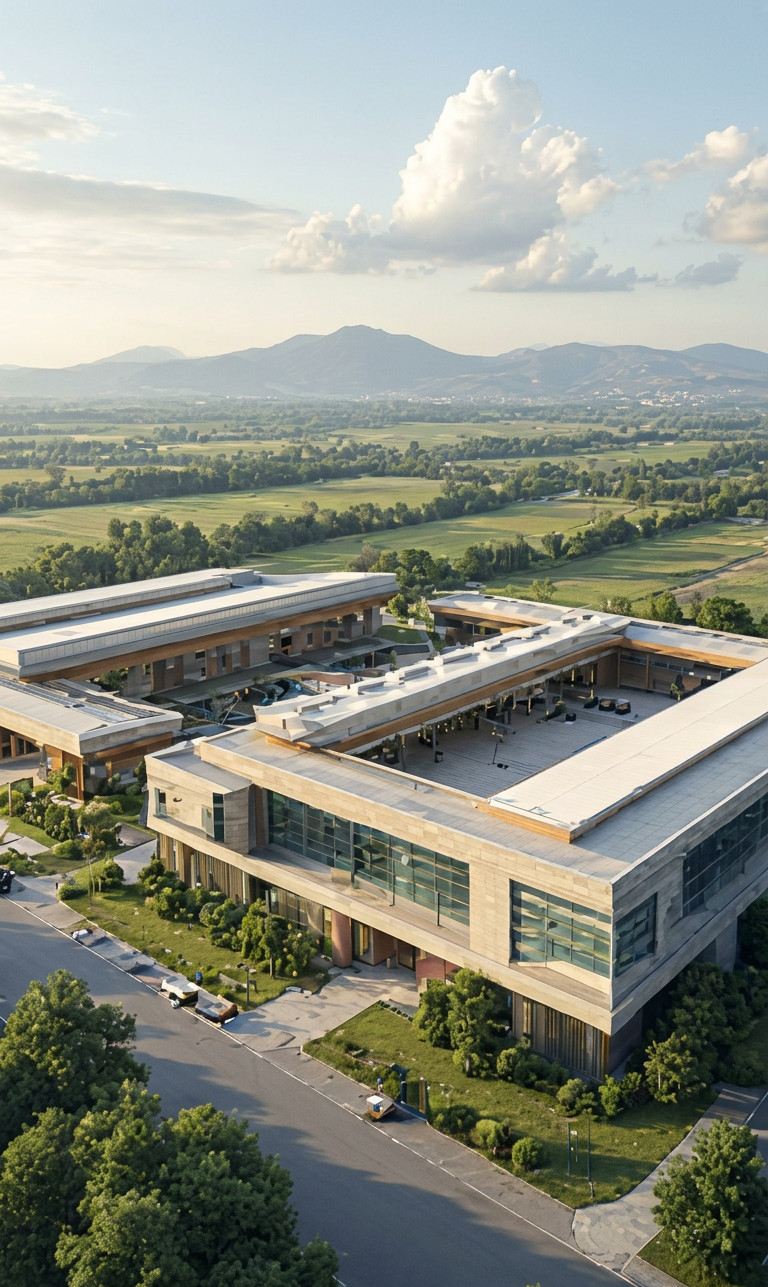
Eagles Structures Master Campus Project | Currently in Process
Eagles Structures is building this vision for Eagles Structures as a long-term, integrated campus that unites construction operations, education, real estate development, and community living in one place. The goal is to create more than a construction company—it is to build a complete ecosystem where people can learn, work, grow, and live with purpose. This includes hands-on training for future tradespeople, professional development for leaders and managers, full-scale construction operations and equipment logistics, and real estate development capabilities that reflect real market conditions. At the same time, it incorporates spaces for wellness, family life, reflection, and community, ensuring that the human side of the industry is never neglected. By bringing all of these elements together, the purpose is to develop a self-sustaining environment that produces skilled professionals, strong projects, and long-term opportunities, while also creating a place where my family and others can live in a safe, structured, and meaningful environment built on growth, discipline, and legacy.
Items in the office:
Administrative & Professional Zone
-
Grand Reception Lobby – A welcoming entrance featuring company branding, project displays, awards, digital screens, and visitor seating.
-
Executive Offices – Private offices for leadership, executives, project managers, and senior staff.
-
Administrative Offices – Dedicated workspaces for HR, accounting, estimating, scheduling, marketing, compliance, and coordination teams.
-
Conference & Meeting Rooms – Spaces for client meetings, team coordination, presentations, interviews, and virtual conferences.
-
Client Consultation Rooms – Comfortable private rooms for discussing projects, contracts, and development opportunities.
-
IT & Server Room – Dedicated secured space for networking systems, data management, cameras, and company technology infrastructure.
Education & Development Wing
-
Large Training Classrooms – Multiple classrooms for safety training, certifications, leadership development, and technical education.
-
Construction Career Development Center – Offices and advising areas supporting students, apprentices, and career pathways.
-
Library & Research Center – Construction books, codes, standards, digital archives, estimating resources, and training manuals.
-
Computer & Technology Lab – Equipped for estimating software, BIM, drafting, scheduling, VR/AR systems, and project management training.
-
Presentation Auditorium – Large presentation hall for graduations, seminars, company events, guest speakers, and educational conferences.
-
Hands-On Trade Labs, Garage Style – Practical learning stations for carpentry, drywall, framing, electrical, plumbing, masonry, welding, HVAC Mechanic, Elevator Mechanic and other skilled trades.
Operations & Production Zone
-
Design Studio – Collaborative architecture, engineering, and planning workspace focused on creativity and development.
-
Drafting Studio – Technical drawing and blueprint preparation room for detailed construction documentation.
-
Fabrication & Workshop Area – Space for fabrication, mock-ups, material preparation, repairs, and training exercises.
-
Showroom Pavilion – Display area showcasing Eagles Structures services, products, finishes, systems, and project samples.
-
Large Material Storage & Logistics Warehouse – Organized by material type: drywall, framing, insulation, hardware, tools, etc.
-
Loading Bay & Vehicle Access – Receiving and shipping area for materials, deliveries, fleet movement, and logistics.
-
Dumpster Storage & Recycling Zone – Dedicated waste management and recycling operations area.
-
Heavy Equipment Storage - For equipment like scissor lifts, scaffolding, and more.
-
Equipment Maintenance Shop – Service and repair space for company equipment and fleet maintenance.
-
Fleet Parking Yard – Organized parking for company trucks, trailers, forklifts, and work vehicles.
-
Scaffolding & Rental Equipment Yard – Structured storage for scaffolding systems, fencing, lifts, and rental inventory.
Wellness & Recreation Facilities
-
Athletic & Training Gymnasium – Large gym for wellness programs, physical training, sports, and employee fitness.
-
Locker Rooms with Showers & Restrooms – Convenient facilities connected to work and recreation areas.
-
Outdoor Fitness & Activity Yard – Team-building activities, physical conditioning, and outdoor recreation.
-
Lobby Living Room / Heart Room – Central social lounge promoting relaxation, connection, creativity, and healthy interaction.
-
Game & Recreation Lounge – Recreational area with games, entertainment, and social engagement spaces.
-
Family Recreation Area – Safe and enjoyable space designed for employees’ families and children.
Spiritual & Reflection Zone
-
Chapel Lobby – Peaceful gathering area outside the chapel for conversation, reflection, and rest.
-
Chapel of Unity – Quiet inspirational space for prayer, ceremonies, reflection, and community gatherings.
-
Meditation & Reflection Garden – Outdoor calming area with benches, landscaping, and peaceful scenery.
-
Saints Statues & Inspirational Monuments – Located throughout the campus and chapel surroundings.
Dining & Social Zone
-
Restaurant & Cafeteria – Indoor and outdoor dining spaces serving employees, visitors, students, and guests.
-
Coffee Lounge & Bakery Area – Relaxed environment for meetings, studying, and social interaction.
-
Outdoor Dining Plaza – Exterior seating connected to the front of the building and public access areas.
-
Event & Banquet Hall – Flexible venue for celebrations, conferences, graduations, and company events.
Outdoor & Environmental Areas
-
Playground – Recreational area for families and children.
-
Central Courtyard with Blossoms – Scenic landscaped courtyard connecting buildings and gathering areas.
-
Forest Trail & Relaxation Park – Walking paths, benches, trees, and natural relaxation spaces.
-
Outdoor Amphitheater – Open-air area for presentations, performances, and community events.
-
Community Garden & Greenhouse – Educational and sustainability-focused gardening area.
-
Employee Housing & Guest Suites – Comfortable living spaces for family, interns, students, trainees, or visiting staff.
-
Executive Residential Wing – Private residential area integrated into the property for long-term living accommodations.
-
Parking Complex – Organized parking for employees, guests, students, and company vehicles integrated with landscaping.
-
Security Gate & Monitoring Center – Controlled access, cameras, and security operations for safety and protection.
REASONS WHY EAGLES STRUCTURES
IS INVESTING IN EDUCATION
Reasons Why Eagles Structures Is Investing in Education
At Eagles Structures, we believe the future of the construction industry depends on more than labor alone — it depends on education, leadership, discipline, safety, workforce development, and long-term vision.
Our company is committed to building more than projects. We are committed to building people, careers, businesses, and future generations through structured education, mentorship, training systems, and professional development.
The decision to invest in a construction school and educational program is based on major industry, workforce, educational, and societal challenges currently affecting the United States and the world.
Construction Is One of the Most Complex Industries
Construction is a highly multidisciplinary industry that requires the integration of engineering, architecture, safety management, project coordination, finance, logistics, and skilled labor execution. Large construction projects can involve 10–20+ different specialized trades working simultaneously under strict timelines and budgets.
Key complexity factors include:
-
Projects often involve 100–1,000+ individual tasks per phase
-
Coordination between 6–10 major professional disciplines
-
More than 70% of project delays are linked to coordination and communication breakdowns
-
Over 30–40% of construction costs are influenced by rework, inefficiency, or planning errors
Despite this complexity, structured education pathways outside of trade apprenticeships remain limited, inconsistent, or inaccessible for many workers entering the industry.
Rising Construction Costs
Construction costs in the U.S. have increased significantly over the past decade due to inflation, labor shortages, supply chain disruptions, and inefficiencies in project execution.
Key indicators include:
-
Construction input costs have increased approximately 30–45% over the past 5–10 years (varies by region and sector)
-
Labor shortages are estimated to cost the industry over $10 billion annually in productivity losses
-
Rework and poor coordination account for up to 30% of total construction costs globally
-
Inefficient project management can reduce profit margins by 5–15% per project
Through education, Eagles Structures aims to reduce waste, improve planning accuracy, and promote more efficient construction practices that directly lower project costs.
High Failure Rate of Construction Companies
The construction industry has one of the highest business failure rates across all sectors.
-
Approximately 60% of construction businesses fail within the first 5 years
-
Around 80% fail within 10 years depending on market conditions and business size
-
A significant portion of failures are linked to:
-
Poor financial management
-
Weak estimating and bidding systems
-
Lack of leadership structure
-
Limited operational planning and risk control
-
Companies with formal business systems and training are 2–3 times more likely to survive beyond 5 years compared to informal operations.
Educational System – High School Diploma
-
Approximately 20–21% of adults in the United States are considered functionally illiterate or possess very low literacy skills, creating significant challenges in communication, comprehension, workforce readiness, and daily professional responsibilities.
-
Around 50% of U.S. adults read below a 6th-grade reading level, affecting their ability to fully understand technical documents, contracts, safety procedures, educational materials, and complex workplace instructions.
-
Approximately 85–90% of students in the United States successfully graduate from high school, with graduation rates varying based on economic conditions, geographic location, educational access, and demographic factors.
-
Studies indicate that approximately 30–40% of high school graduates remain uncertain about their future career path, trade, college major, or long-term professional direction after completing secondary education.
-
Approximately 8–12% of graduates directly enter the construction industry, pursuing careers in carpentry, electrical work, plumbing, HVAC, drywall, painting, welding, concrete, and general labor operations.
-
Approximately 20% of adults in the United States struggle with basic literacy and writing proficiency, while many additional individuals continue facing difficulties with technical communication, reading comprehension, analytical thinking, and problem-solving capabilities within professional environments.
Construction Union & Apprenticeship System Challenges
-
Some apprenticeship programs show extremely low completion outcomes, where large entry groups can result in only a small fraction successfully finishing the full training pathway.
-
Across multiple apprenticeship systems, completion rates typically range from less than 50%, meaning a significant portion of participants do not complete certification requirements.
-
Industry reports consistently identify skill gaps as a top 3 workforce challenge in construction, with many workers entering the field without fully developed technical, safety, or management skills.
-
Apprenticeship programs often experience high dropout rates during the first 1–3 years, mainly due to financial pressure, lack of guidance, and limited structured career development.
-
A large portion of workforce training still occurs informally on job sites, which can lead to inconsistent skill development and uneven training quality across projects and regions.
-
Construction productivity growth has remained relatively flat over decades (around ~1% annually), often linked to workforce training inconsistencies and system inefficiencies.
-
The industry continues to face a major skilled labor shortage, with estimates suggesting hundreds of thousands of additional workers are needed in the U.S. over the coming years.
-
Construction remains one of the highest-risk industries, consistently ranking among the top sectors for workplace injuries and fatalities, often tied to training and safety gaps.
-
Workforce aging trends show that approximately 1 in 4 skilled workers is expected to retire within the next decade, increasing pressure on training systems and labor supply.
-
In some cases, even after completing apprenticeship programs and certifications, workers may still lack full readiness for independent field performance, leadership, or advanced operational responsibilities.
-
In certain trade pathways, only 40–60% of participants complete certification requirements, highlighting ongoing retention and training challenges.
-
The industry’s ongoing labor demand is projected to exceed 500,000 additional workers in the United States, reinforcing the need for stronger education and workforce development systems.
-
These challenges highlight a structural gap between training systems and real-world construction demands, affecting workforce readiness, productivity, and long-term industry stability.
Major Global Issues That Better Education Could Help Improve
-
Poverty & Financial Instability
Lack of financial literacy, career training, and economic education contributes to persistent poverty cycles and limited upward mobility across generations. -
Mental Health Crisis
Rising global rates of anxiety, depression, stress, and suicide highlight the need for stronger education in emotional intelligence, coping skills, and mental health awareness. -
Violence & Crime
Many crime patterns are linked to limited opportunity, lack of mentorship, and weak educational access, increasing long-term social instability. -
Lack of Financial Literacy
A large portion of the population enters adulthood without understanding budgeting, credit, taxes, debt, investing, or business systems, leading to long-term financial struggles. -
Workforce & Skill Shortages
Many industries face labor shortages despite high population growth, largely due to gaps between education systems and real-world workforce skill requirements. -
Poor Physical Health & Obesity
Limited education in nutrition, exercise, discipline, and preventative health contributes to rising obesity rates and chronic disease globally. -
Substance Abuse & Addiction
Drug and alcohol addiction continue to increase in many regions, often linked to stress, lack of support systems, and limited preventative education. -
Racism, Discrimination & Social Division
Lack of cultural education, historical awareness, and communication skills contributes to misunderstanding, inequality, and social fragmentation. -
Corruption & Ethical Failures
Weak ethical education and accountability systems in leadership roles can contribute to corruption in government, business, and institutions. -
Environmental & Sustainability Problems
Poor education on environmental responsibility contributes to pollution, waste mismanagement, and unsustainable resource consumption. -
Poor Leadership & Management
Many organizations struggle due to insufficient leadership training, weak communication systems, and lack of operational knowledge. -
Educational Inequality
Unequal access to quality education creates long-term gaps in opportunity, income, and professional development across different communities. -
Homelessness & Housing Challenges
Economic instability, lack of workforce education, and limited financial planning skills contribute to growing housing insecurity in many regions. -
Family Instability & Lack of Guidance
Limited access to mentorship, parenting education, and life skills training contributes to cycles of instability across generations. -
Lack of Purpose & Career Direction
Many individuals enter adulthood without clear direction due to limited exposure to career pathways, trades, entrepreneurship, and personal development education.
College and universities
-
Approximately 35–45% of college students change their major at least once, indicating that many students enter higher education without a fully defined long-term career direction. This often results in additional time, cost, and extended graduation timelines.
-
Nearly 40% of students who begin a 4-year college program do not graduate within 6 years, meaning a significant portion invest substantial time and financial resources without completing a degree.
-
Student loan debt in the United States has exceeded $1.7 trillion, making higher education one of the largest long-term financial burdens for younger generations and affecting financial stability well into adulthood.
-
Approximately 60–65% of students complete a bachelor’s degree within 6 years, showing that a large percentage of students either take longer than expected or do not complete their academic program.
-
Approximately 35–45% of college students report uncertainty about their long-term career goals, reflecting a gap between academic education and clear career pathway development.
Mental Health Crisis in Construction
-
Construction workers experience some of the highest levels of occupational stress across all industries, driven by physically demanding work, tight deadlines, job insecurity, and high-risk environments.
-
Approximately 65% of construction workers report job-related stress, reflecting the ongoing pressure associated with field performance and project demands.
-
Around 70% report symptoms related to anxiety, stress, or depression, showing widespread mental health strain within the industry.
-
Approximately 55% of workers experience burnout, often linked to long hours, physically intensive labor, and inconsistent work schedules.
-
Around 60% report anxiety-related symptoms, which can impact focus, productivity, safety, and decision-making on the job.
-
Approximately 45% report symptoms of depression, highlighting the emotional and psychological burden faced by many workers in the field.
-
About 38% of construction workers have taken time off due to mental health-related needs, showing direct impact on workforce availability and productivity.
-
Suicide rates in construction are estimated to be approximately 2 times higher than the national average, making it one of the most affected industries in this area.
-
More than 5,000 construction workers are estimated to die by suicide each year, reflecting a severe and ongoing mental health crisis within the sector.
-
Approximately 1 in 5 construction workers live with ongoing mental health challenges, indicating that mental health concerns are not isolated but widespread across the workforce.
Safety and Fatality Risks
-
Construction remains one of the most hazardous industries in the world due to the combination of heavy equipment, elevated work, electrical systems, and constantly changing jobsite conditions.
-
Construction accounts for over 50% of fatal fall-related accidents across U.S. industries, making falls the leading cause of death in the sector.
-
Hundreds of workers die each year due to falls alone, highlighting ongoing challenges in fall protection, supervision, and safety enforcement.
-
More than 1,000 construction workers die annually on job sites in the United States, reflecting the severity and scale of industry-wide safety risks.
Lack of Structured Education and Career Development
-
Many workers enter the construction industry without formal education in key professional areas such as leadership, safety systems, estimating, project management, and business operations.
-
As a result, a large portion of the workforce develops skills informally on the job, which can lead to inconsistent knowledge levels, uneven performance, and limited standardization across the industry.
-
Without structured career pathways, many workers experience slow professional growth and limited access to advancement opportunities, even after years of field experience.
-
A significant number of employees remain in entry-level or labor positions for long periods due to the lack of clear education pathways toward leadership, supervision, or business ownership roles.
-
The absence of structured training in areas such as estimating, cost control, scheduling, and communication reduces overall project efficiency and long-term organizational stability.
At Eagles Structures, we believe that education is one of the strongest forces that determines opportunity, stability, and long-term success. Today, there is a clear imbalance between those who have access to high-quality education and resources, and those who do not. Individuals born into wealth often have greater access to mentorship, networks, and academic support, while individuals from disadvantaged backgrounds or homelessness often face limited access to education, guidance, and career opportunities.
This imbalance contributes to cycles of poverty, limited opportunity, and social inequality. Lack of education on both ends of the spectrum—whether in leadership, financial literacy, technical skills, or life development—continues to be one of the root causes of many global challenges.
Eagles Structures was created with the belief that education should be practical, accessible, and designed to give every individual a real opportunity to succeed, grow, and build a better future regardless of their starting point in life.
Our Educational Commitment
That is why education is a core foundation of our company and will be integrated into five structured programs:
-
Educational Program / Construction School
Focused on technical knowledge, construction fundamentals, leadership, and real-world workforce preparation. -
Brotherhood Program
Designed to build teamwork, mentorship, discipline, communication, and professional culture within the workforce. -
Safety First Program
Focused on jobsite safety education, hazard awareness, prevention systems, and life protection standards. -
LEED Program / Leadership in Energy and Environmental Design
Focused on sustainable construction practices, environmental responsibility, and modern green building standards. -
Quality Control Program
Focused on construction standards, inspection systems, accuracy, performance improvement, and long-term durability of work.
Vision
Eagles Structures believes that when education is properly designed and accessible, it can reduce inequality, improve opportunity, and create stronger individuals, stronger businesses, and stronger communities. Our mission is to use education as a foundation for long-term success, leadership, and positive impact in the construction industry and beyond.
Personal Eagles Structures Testimony
-
Eagles Structures is composed of members who were once apprentices in the construction field. Like many others, we experienced the reality of the jobsite—the physical demands, the learning process through mistakes, the challenges of entry-level labor, and the lack of proper guidance in many situations. This background is what makes Eagles Structures different. We are not speaking from theory; we are speaking from experience. We understand the struggles, failures, and gaps in the system, and we are committed to improving the industry through education, structure, and leadership.
-
High school education, in its current form, is often presented as a complete foundation for adulthood. However, in practice, it does not fully prepare students for real life, workforce demands, financial independence, or personal responsibility. After completing high school, students are generally expected to either immediately enter the workforce or continue into college or university. This creates a system where many individuals are pushed into further education without first being fully prepared for life, work, or independence. This meaning that the educational system is bad.
-
In many cases, the high school environment includes bullying, social pressure, and emotional challenges that negatively affect student development. These experiences can damage confidence, communication skills, and personal growth. At Eagles Structures, we understand this reality because we have experienced similar environments ourselves, which is why we emphasize protection, mentorship, and structured development for all individuals involved in our programs.
-
High school is often described as a place for friendship and growth, but for many students it becomes an environment of isolation, pressure, and lack of real-world preparation. As a result, many students graduate without strong communication skills, discipline, or a clear sense of purpose or direction in life.
-
In addition, the structure of the educational system can sometimes promote comfort over discipline. Students may become accustomed to structured environments that do not fully prepare them for the demands of the real world, where responsibility, pressure, and performance are constant expectations.
-
Another concern is that some educators may lack real-world industry experience in the subjects they teach. While many are academically qualified, limited exposure to real field conditions can create a gap between theory and practical application. This can lead to situations where students are taught concepts without fully understanding how they apply in real environments.
-
College and universities follow a similar pattern in many cases. A significant portion of academic material is theoretical and based on textbooks rather than real-life application. Students are often expected to fully understand practical industries after graduation, rather than being fully prepared during their studies.
-
Higher education systems also require students to take general education classes that may not directly relate to their chosen field of study. While these courses are intended to develop critical thinking and communication skills, they can also increase time, cost, and complexity without always providing direct career value.
-
In many cases, the academic workload is inconsistent with real-world expectations. Assignments that are designed to take short periods of time often require significantly more effort and time in practice, creating stress and inefficiency in the learning process.
-
Support systems within colleges, such as student success departments, are intended to assist students. However, in many situations, their support is limited to general guidance rather than direct, specialized academic or career assistance, especially in technical or industry-specific fields.
-
Academic advising departments also play a major role in guiding students, but their recommendations are often based on structured curriculum paths rather than personalized industry readiness or real-world job market conditions.
-
Over time, the focus on academic writing, formal structure, and standardized education has reduced practical reading, writing, and communication ability for many individuals, making it more difficult for some to effectively engage with complex real-world materials.
-
In conclusion, while the current educational system provides structure and opportunity, it also contains significant limitations in preparing individuals for real-world success or construction. Many graduates enter adulthood without practical skills, financial understanding, or career clarity. At Eagles Structures, we recognize these gaps firsthand because we have lived them. This is why we are committed to building a stronger system focused on real education, real experience, leadership development, and practical preparation for life and industry.

EMPLOYEE HANBOOK / SAFETY MANUAL
This handbook and safety manual outlines what Eagles Structures actually is, represents and what every team member is required to understand in order to perform safely, professionally, and efficiently in accordance with the company’s identity, standards, and programs. It serves as a comprehensive guide covering company policies, procedures, safety standards, expectations, daily operations, and essential construction practices.
Contact us to learn more about our capabilities, past performance, and how our company operates. We would be pleased to discuss how Eagles Structures can support and contribute to the success of your project. We are, without a doubt, the right choice for your project.


Request Your Magazine and Other Materials Today!
“We offer a wide range of materials, including dozens of magazines, brochures, pamphlets, flyers, and more designed to showcase our construction services and help you explore ideas for your projects. Our goal is to make information clear, accessible, and valuable so you can confidently plan and develop your vision. We are continuously improving and updating these materials to better serve you. Contact us today and let’s make it happen”


BOOKS CURRENLY UNDER DEVELOPMENT
At Eagles Structures, we take education very seriously. As part of our long-term vision and educational development program, we are currently creating a collection of educational books and training materials designed to support construction professionals, business leaders, students, and future generations of builders who will continue advancing the industry long after us.
These publications are being developed using knowledge gathered from more than 100 respected books currently available in today’s market, combined with real-life field experience, industry education, leadership training, and practical construction expertise. Our goal is to create strong educational foundations not only for Eagles Structures, but also for individuals, companies, and organizations interested in learning from our materials.
The purpose of these books is to educate, inspire, improve performance, strengthen leadership, and help individuals build successful careers, businesses, and meaningful lives. More importantly, our mission is to contribute improved educational materials and practical knowledge beyond what is currently available today, with the hope of continuously advancing education within the construction industry and beyond. We want education, improvement, and knowledge-sharing to become part of the lasting legacy and foundation we leave for future generations.
If you are able to donate any educational or professional materials that could support the development of these books, please send them to us by email. We are currently seeking high-quality resources that can help strengthen and improve the foundation of the Eagles Structures educational program.
We also welcome monetary donations to support the development of this material and the future construction of a training and education facility. All contributions will directly support the growth of educational resources and the advancement of learning opportunities within Eagles Structures.
Books titles:
-
Employee Handbook / Safety Manual
-
Job Hazard Analysis (JHA)
-
All Scopes in Construction
-
Construction $$ Prices
-
Advanced Construction Estimating
-
Estimating Submission Process
-
Eagles Structures Accounting
-
Construction Law & Problems
-
Real State Development
-
Running a Business
-
Reality
-
Old Testament | My Bible Notes & Reflections
-
New Testament | My Bible Notes & Reflections
-
Construction Executions Basics
-
Construction Management
-
Architecture
-
Engineering
-
Professional Carpentry Handbook
-
Professional Electrician Handbook
-
Professional Plumbing Handbook
-
Professional Masonry Handbook
-
Professional Welding Handbook
-
Professional HVAC Technician Handbook
-
Professional Elevator Mechanic Handbook
-
Construction Geography Differences / North America Edition
-
Construction Sociology / North America Edition
-
Eagles Structures Autobiografia
-
Filosofy | My Favorite Book
-
Educational and Age Pathway & Performance
-
The Cause of All Human Problems | The Real Answer
-
Anti-Racism Awareness and Best Practices / How Not to Be Racist?
-
Food (Secret Recipes Book)
